
Digital Surveillance
Surveillance in the digital world is considered highly dangerous, posing significant threats to privacy, civil liberties, human rights, and democratic stability. Modern digital surveillance technologies, such as facial recognition, spyware (e.g., Pegasus), and AI-powered data collection, enable governments and corporations to monitor individuals on an unprecedented scale, often without adequate legal oversight or transparency.
Street Level Surveillance
EFF’s Street-Level Surveillance project shines a light on the surveillance technologies that law enforcement agencies routinely deploy in our communities. These resources are designed for advocacy organizations, journalists, defense attorneys, policymakers, and members of the public who often are not getting the straight story from police representatives or the vendors marketing this equipment.
If you’ve ever worried about protecting the privacy of your digital data or your conversations with others, we’re here to help. Surveillance Self-Defense is a digital security guide that teaches you how to assess your personal risk from online spying. It can help protect you from surveillance by those who might want to find out your secrets, from petty criminals to nation states. We offer guides to the best privacy-enhancing tools and explain how to incorporate protecting yourself against surveillance into your daily routine.
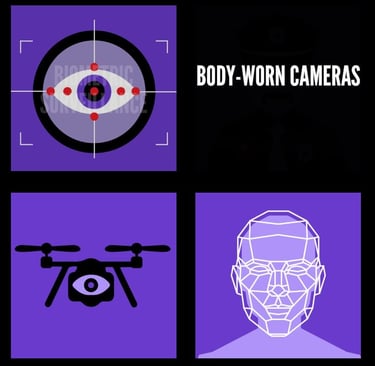
The Altas of Surveillance is a FREE Public Interest Project of the Electronic Frontier Foundation, with a huge database of surveillance technologies deployed by law enforcement in communities across the United States. It's goal is to bring transparency to "Policing & Privacy" to our communities everywhere!
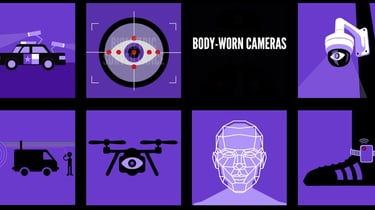
This includes drones, body-worn cameras, automated license plate readers, facial recognition, and more.
Search a database of police tech — Enter a City, County, State or Agency in the United States.
Key Dangers of Surveillance include:
Chilling Effect on Freedoms: Constant monitoring discourages people from exercising their rights to free expression, association, and intellectual privacy, as individuals may self-censor to avoid scrutiny.
Discrimination and Bias: Algorithmic surveillance tools often contain racial and socioeconomic biases, leading to misidentification, wrongful convictions, and disproportionate targeting of marginalized communities.
Erosion of Anonymity: The mass collection of metadata and biometric data eliminates public anonymity, allowing authorities to track movements, associations, and intimate life details, which can be weaponized for blackmail, coercion, or political suppression.
Normalization of Control: Once established, high levels of surveillance create a low-cost infrastructure for state control, potentially shifting societies toward authoritarianism where dissent is easily identified and punished.
Security Vulnerabilities: Centralized databases of sensitive personal information are attractive targets for hacking and identity theft, while spyware can turn personal devices into 24-hour surveillance tools for both state and criminal actors.
While proponents argue surveillance aids in national security and crime prevention, experts warn that without robust safeguards, the technology fundamentally alters the power dynamic between the state and citizens, endangering the foundations of open societies.
© 2026. All rights reserved.
Sister Site: www.lifeistuff.com